Showing posts with label Black-bellied Plover. Show all posts

Friday, October 30, 2020

Blue Waves


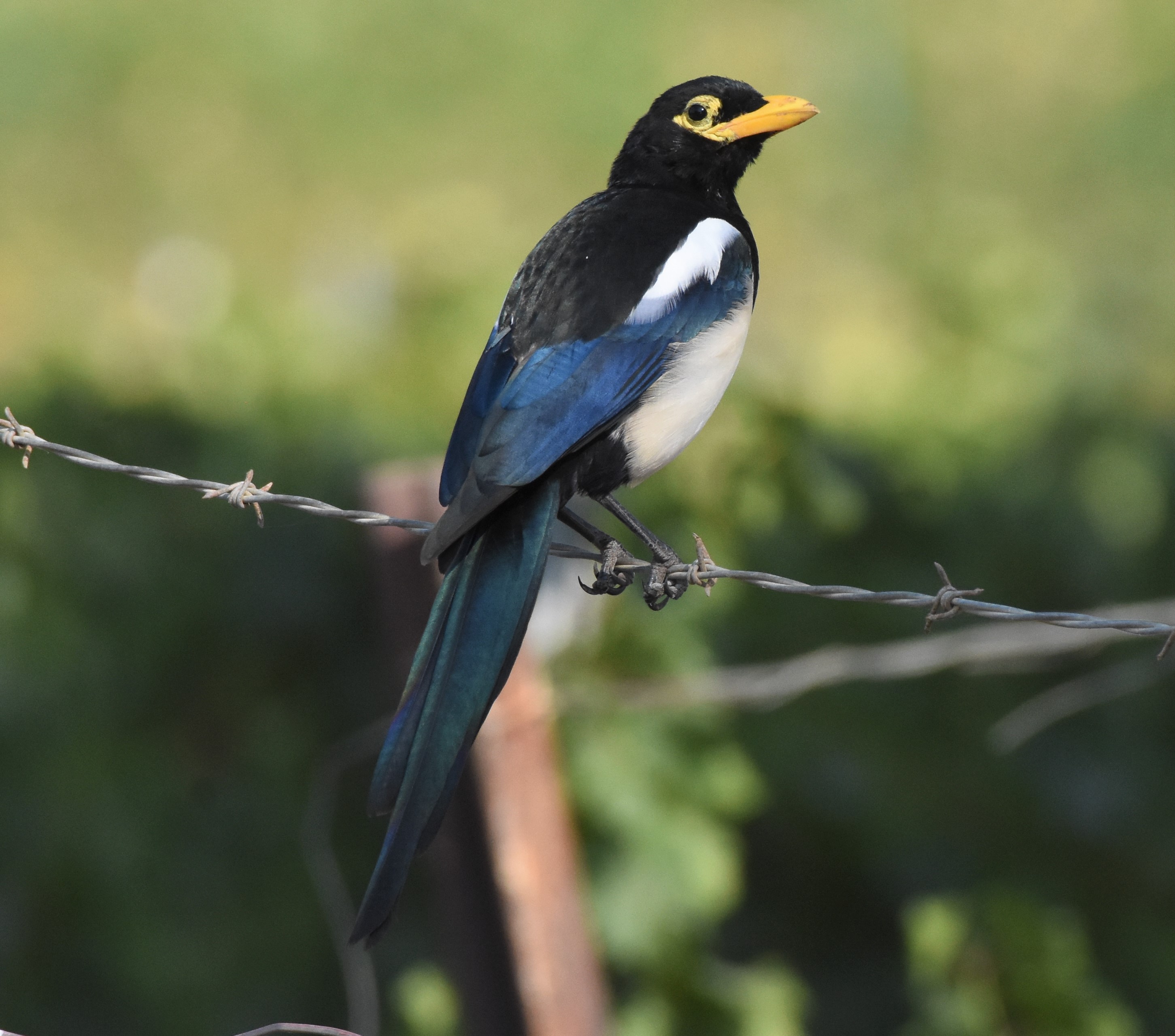
Today we close out our 3rd and final trek to Ventura, California.  The whole purpose of our trek was to escape the Arizona heat, enjoy the ocean and learn about the Yellow-billed Magpie.  This was a bird I remembered back in the 90's when I lived in the south bay of the San Francisco area. Now as a birder, it was time to go back and have some wine with a friend and rediscover this magpie I first discovered in my backyard when I lived in San Jose. 


And while we had the magpie on our lists, we couldn't stay too far from the ocean.  For an Arizonan, the closest place to find a Yellow-billed Magpie is in the Ventura area.  This is the southern most range for this species.  About 60 miles east of Ventura in the wine country of Los Olivos at the famous Zaca Station Road, we had a lovely time birding along this beautiful road of oak scrub and vineyards. We stopped at one of the places to do some wine tasting.   


The weather was perfect and the wine was great.  And oh yeah, the magpies were a blast!  They reminded me of the Common Mynas that dominate the Hawaiian landscape.  

After we had a lovely time in wine country with great views of the magpie, we headed back to the ocean to enjoy the cooler temps and of course, the beach. 

What a thrill!  Our return trek took us to Santa Barbara.  And it was the last part of our fun California adventures in Ventura. 


Turnstone numbers were great and wonderful views of these 2 species were fantastic!


During our treks to various beach spots, we noticed more Black Turnstones than Ruddy Turnstones.  All the turnstones were mixed in together running around "rock piers" and the sandy beaches not caring that people, pets and kids were also sharing the beach. 


Our missions to the beaches, island and vineyards were a success. 


Any time I bird California, I break down the treks to certain areas.  San Diego and Imperial Beach are wonderful for lots of great birds while Orange County is great for the exotic parrots and a trek out to Catalina Island for the Spotted Doves.  LA is another trip with a trek to the LA Gardens and surrounding areas. Spotted Doves, in smaller numbers, can also be found there, but they are much more enjoyable to find on Catalina Island.  Plus you get a pelagic with that boat trek out of Dana Point, also a great spot to bird. Then there is the Ventura area that we just covered. And all along the coast, there are other great places with specialty birds during certain times of years like in Monterrey.  California is HUGE and it's always fun birding this state.  If you plan well, you won't find yourself on the road all the time and instead, you'll spend most of your time enjoying some quality birding.  


That's how I have dealt with California over the years.  Living in the Bay Area in the 90's, I discovered it was frustrating to try and do too much over a larger area because the traffic killed a lot of precious day outings.  So my attitude is to divide and conquer.  Take it all in over mini vacations over time.  That way you get to enjoy California for everything it offers. So like our trek out to the vineyard, one needs to let that wine breathe. California is wonderful when you slowly enjoy the moments.  Don't rush through it. 


We did try for an unexpected rarity in Santa Barbara, the Curlew Sandpiper.  We had a lot of great birds along the beach, but we often had a lot of distractions.  We didn't find the Sandpiper due to runners flushing the peeps but we did see so many wonderful ocean birds. Plus the beaches there were really really nice. 


The drive was fun as it usually is from Phoenix to Ventura.  It's like a racetrack and always seems to fly by quickly. We wanted to stay a little longer.  The cool ocean temps were so nice.  We're back in Tucson now but I see blue waves happening again very soon.  


The year 2020 has been an incredible year here in Arizona.  The devastations that have happened around us environmentally have driven birds into our state from other places.  That report will be coming.  I also hit another landmark for Arizona.  While it hasn't been the year of the lifer, it has been a solid year of birding in Arizona and specifically for Pima County.  Until next time.....

Sunday, October 11, 2020

Blue Dreams


I sat thinking for a month what I wanted to do for my fall break.  Originally, I had wanted to do a spiritual retreat at a monk sanctuary in Guatemala, but that will have to wait.  October is a very special month for me.  It's the month of beginnings and reflective work.  If I couldn't lose myself to chants and birds in Antigua; I would have to think about the next spiritual place that makes me feel whole as a person.....and in the US.  Oregon and Washington were too far to drive.  But the coast of Southern California was close enough to spend some quality time with birds that I don't often get to see. 


Celeste and Cheroot joined me for the second time this year to do some very special birding in another part of Southern California.  And it wasn't just birding.  My only expectations were to find the endemic Yellow-billed Magpies and get photos of them.  Each day was meticulously crafted for maximum ocean use. We stayed in Ventura near the beach in a very questionable hotel. However, everything was within a mostly 10 minute driving distance.  


We arrived on Sunday in the early afternoon. Our Sunday and Monday rules were to have fun on the beach.  Tuesday was a trek out to the beautiful Santa Cruz Island.  Wednesday was a short drive to wine country and magpie land.  And then Thursday, we needed to get home.  It was so fast!


Perfection?  Coffee and fresh clam chowder on the beach. Or how about a misty coastal fog that blankets the beaches?  We walked the beach for miles.  Sometimes we sat and observed people.  Other times I got up close and personal with some shorebird favorites. There were so many birds along the Venturan coast.  


During our stay, we met birders who also had similar ideas about escaping the Arizona heat and it really was refreshing to bird all day long. But unlike the other birders, we weren't really chasing any new birds.  If fact, there weren't any lifers on the list.  I just needed the ocean and a magpie shot which really makes the birding stress free. 

Birds are incredible.  While we have Long-billed Curlews in Arizona, this species makes for a better observation here along the coast. 


People walked the beaches, but the birds didn't seem too concerned.  Sometimes they would just come within a foot of us if we stood or sat still.  It was here that we were able to witness a little courtship display between the curlews below.  It was very beautiful.  Their wings half raised and flutter beat at the same time in a tight formation.  


We watched these birds forage around the beach for sand crabs and fleas. There were plenty of insects as well zipping around the seaweed. 


Meanwhile Cheroot was discovering sea weed on the beach.  There were piles of them. Sometimes he'd pick a kelp branch up and run with it.  Never have I seen him so happy running along the waves.  Being that he's also blind, he was shocked when a wave went a little too far and wet his paws. I don't think he minded too much.  


In fact, much of our sightings were quality bird observations.  Often, we'd just sit and watch the birds up close. Our rare bird sighting happened in the gardens of the Channel Islands Tourist center on the beach.  There we spied a Black-and-White Warbler.  I can NEVER find them here in AZ but if I go to Ventura, I magically will find one.  This was my second rare Black-and-White Warbler in Ventura.  And I've only been to Ventura twice.  So I'm a magnet for that warbler there.  Anywhere else?  Forget about it. 


 The ocean called us.  And we listened carefully. There were seals.  There were whales and foxes and deer.  And at times, we stopped at places like a fresh produce stand where we bought a huge bag of sweet oranges for 5 dollars.  I also purchased 3 punnets of strawberries.  I also learned some new English from Celeste.  She is of course from the first age of proper English speakers.  Americans are savages in every way possible and I clearly have a limited vocabulary set. A PUNNET is the little green basket that holds strawberries and other goodies. OH! And I bought a huge bag of avocados for 5 bucks!  Anyhow, I brought my magic cooler that keeps everything nice and cold and was able to get them back home in pristine condition. I wish we had produce stands like this in Tucson!  


These kinds of stands are possible thanks in part to the hard working hispanic population in and around Ventura.  It reminded me of the markets in Mexico and it was wonderful. 


Everything was dog friendly for the most part. Sometimes, you have to return to a place to absorb the things you missed the first time. Over the next couple blogs, we'll rediscover why I love birding Ventura so much.  But we'll be visiting new locations that I had never visited before.  We'll stop at Prisoner's Harbor on Santa Cruz Island.  Several years ago we camped at Scorpion Campground.  Then we'll have some wine with a magpie outside of Ventura.  Until then, stay safe.


Sunday, November 4, 2018

The Caravan


Our trek to Organ Pipe was interesting, but it was the work in Mexico that had me more interested.  A lot of birders signed up for a gull workshop with AZFO's Lauren Harter and David Vander Pluym.  And on the last day of the conference, a large caravan of birders crossed the border into Mexico.

Magnificent Frigatebird
We planned on staying the night in Rocky Point or Puerto Peñasco.  Many of the birders wanted to go with the caravan together.  No matter how many times I write this, there are still birders who are afraid to cross the border even though it's completely safe to travel to Rocky Point.  Like everything else, people need to use common sense. 

30+ birders scour the ocean with their scopes
We spent our morning with scopes and gulls.  But we also had our own agenda.  I wanted to do a count around Morúa or the Pinto Estuaries so we broke away from the group after lunch to do our own counts. I've been doing work around those areas for several years now and had never birded the area in October.  We rented a place on the Morúa estuary and really had a nice hike full of excellent birds there.


AZ Fish and Wildlife's Troy Corman and Wrenegade team member Tim H scope the horizon for possible rare birds

It's hard to navigate areas with large groups of people.  Many were there to spot the Yellow-footed Gull which is a bird of interest for many people.  These gulls live around the Sea of Cortez in good numbers.

Yellow-footed Gull
We said our good-byes and then were off to our sector of Rocky Point to get some work done.

At Morúa Estuary, we do a major bird count
The first bunch of birds we crossed paths with were plovers.  Snowy Plovers were everywhere.  They are the cutest of the bunch.   

Snowy Plover
Another common plover along the Pacific waters is the Black-bellied Plover.  Most of the shorebirds are in their winter plumage right now so they all look rather gray together.  Some can be downright tricky!


Black-bellied Plover
Another special bird that people come to see in Rocky Point is the Wilson's Plover.  They have a big bill and are the sassiest of the bunch.  In the pic below, the bird is throwing a little "tude" at an oncoming Snowy Plover. 

Wilson's Plover is the sassiest of the bunch
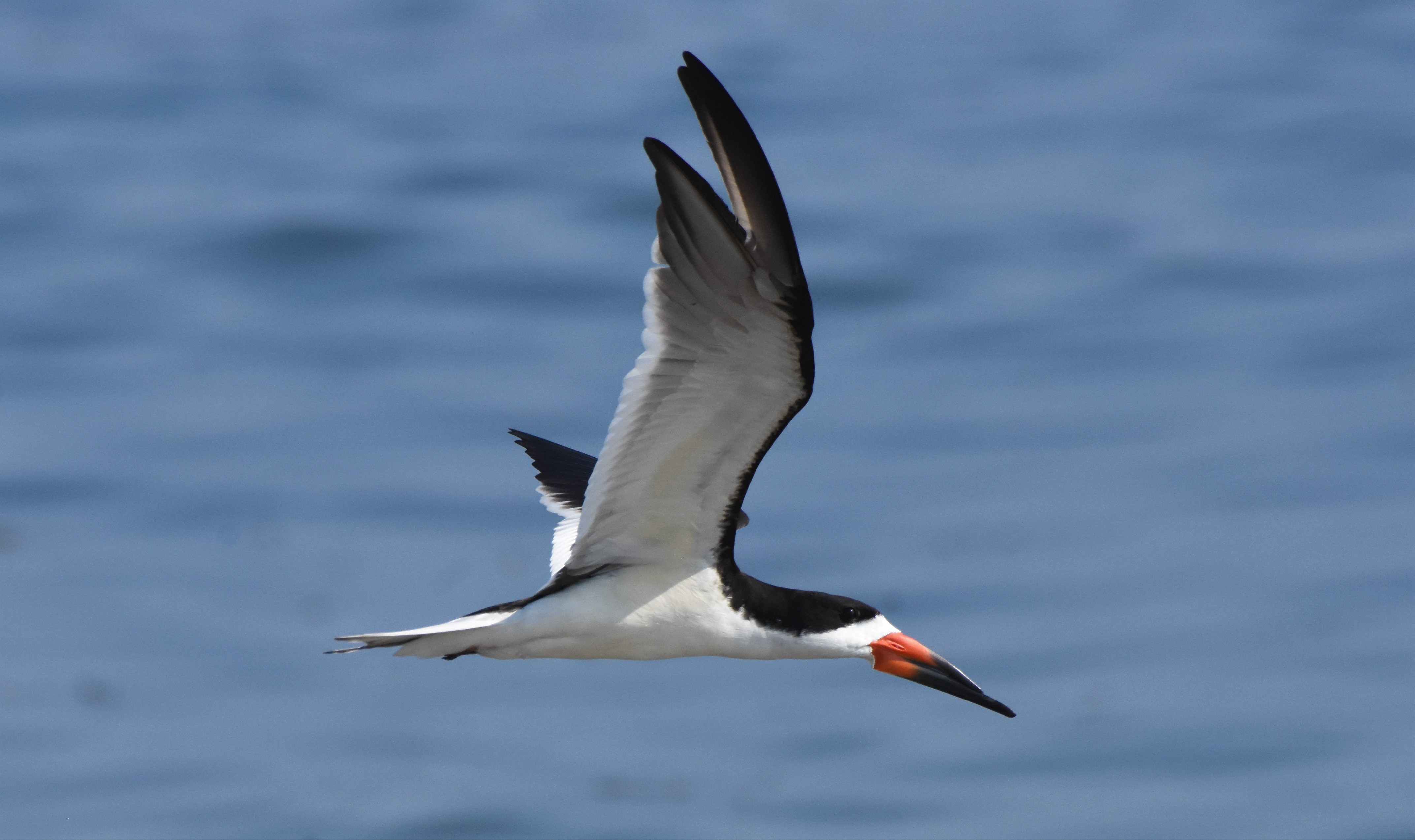
Even though it is cooler and pleasant, the sun can be quite strong as it bleaches the landscape.  In the pic below, we arrived at the mouth of the estuary where the bird life was at its highest.  I discovered my first Black Skimmers for Mexico here.

The bright light of the dunes and the ocean create a bleaching of color affect
Another great bird to see was the Elegant Tern.  They were the most common tern in this area next to the Forster's Tern. This species is listed as Near Threatened.

Elegant Tern
There were schools of fish everywhere.  And where there were large numbers of fish, there were hundreds of birds diving into the waters. Heermann's Gulls closely followed Brown Pelicans and tried to steal the food from their bills. 


A near threatened Herrmann's Gull sits on the back of this Brown Pelican
On Sunday morning, Gordon wanted to do his survey at Cholla Bay.  So he showed a couple birders how he likes to do his count.  As always, we had a great time and finished our counts with a nice list of bird species there.  The key is to go at low tide if you're a photographer.  At high tide, Cholla Bay is great with a scope.  


Short-billed Dowitchers
Short-billed Dowitchers had to be carefully ID'd by listening to their flight call.  As they flew, we were quickly able to ID them as Short-billed and not Long-billed.

Birding Cholla Bay at low tide is great for photographers wanting to get up close to the birds
As the bay drains of water, shorebirds, like the Red Knot below, go crazy on the crabs. 

A dull winter plumaged Red Knot forages for food
I've seen Red Knots in a lot of places but they are often too far to get clear views. One of my goals for this visit was to observe this species better. And it was great! 


Western Willet
Our special find, and definitely off my radar, was this gorgeous Fox Sparrow, the Sooty-colored subspecies. At the Morúa and Pinto Estuaries, there are specific green spaces or migrant traps that have green lawns and mesquite bosques.  I looked over at the trash bin and saw a bird scratching on the ground.  At first I thought it was a towhee until we put our bins on it!  HOLY COW!  We ended up with a Fox Sparrow on our Mexican life list. I also added a Dark-eyed Junco which was yet another bird I had not expected for Mexico.  Anyhow, the migrant traps around the hotels are great near the estuaries!!  I've had so many surprise warblers and sparrows show up in these green spaces. 

A rare Fox Sparrow
Our adventures continue......