Showing posts with label Royal Tern. Show all posts

Friday, October 30, 2020

Blue Waves


Today we close out our 3rd and final trek to Ventura, California.  The whole purpose of our trek was to escape the Arizona heat, enjoy the ocean and learn about the Yellow-billed Magpie.  This was a bird I remembered back in the 90's when I lived in the south bay of the San Francisco area. Now as a birder, it was time to go back and have some wine with a friend and rediscover this magpie I first discovered in my backyard when I lived in San Jose. 


And while we had the magpie on our lists, we couldn't stay too far from the ocean.  For an Arizonan, the closest place to find a Yellow-billed Magpie is in the Ventura area.  This is the southern most range for this species.  About 60 miles east of Ventura in the wine country of Los Olivos at the famous Zaca Station Road, we had a lovely time birding along this beautiful road of oak scrub and vineyards. We stopped at one of the places to do some wine tasting.   


The weather was perfect and the wine was great.  And oh yeah, the magpies were a blast!  They reminded me of the Common Mynas that dominate the Hawaiian landscape.  
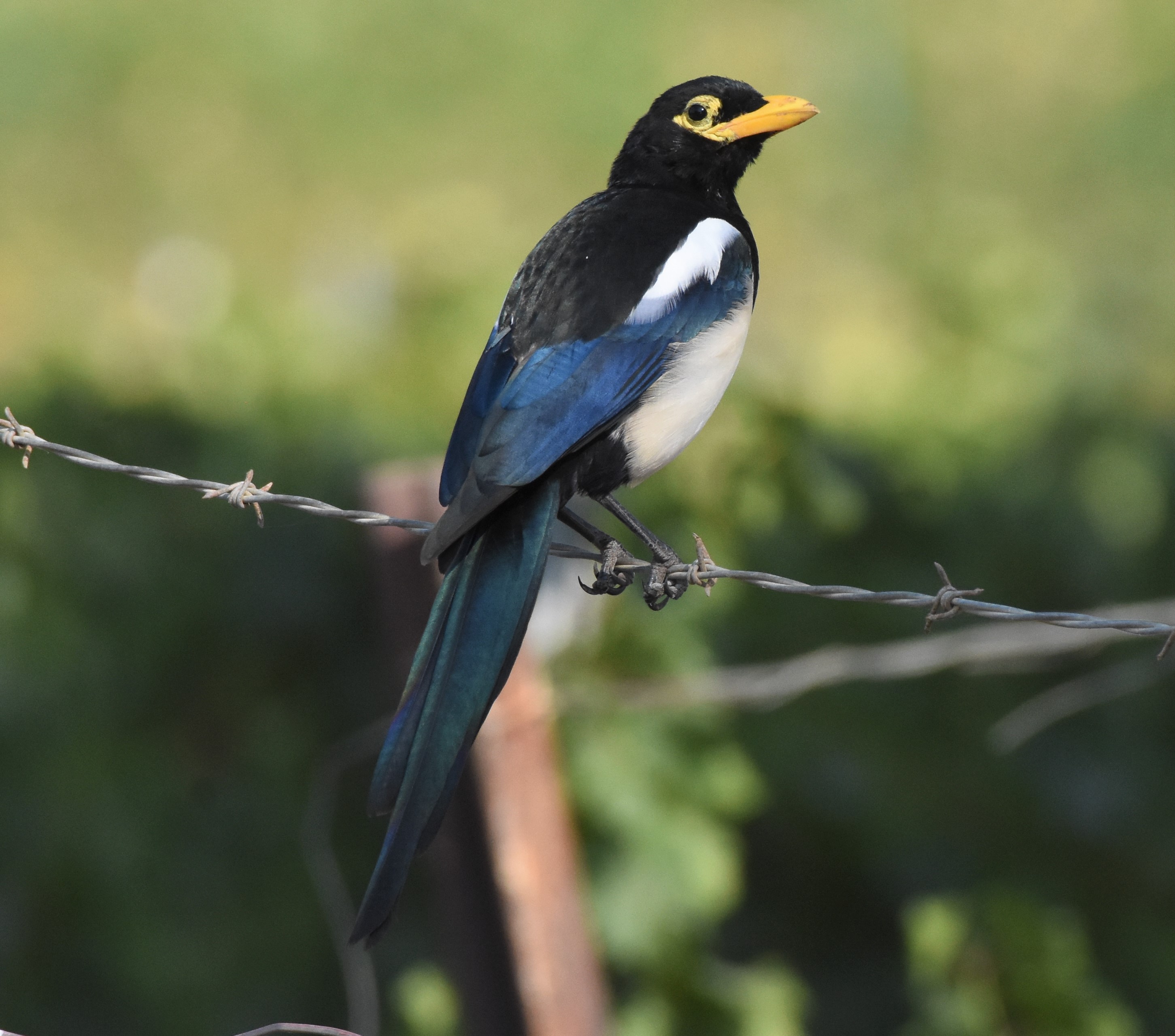

After we had a lovely time in wine country with great views of the magpie, we headed back to the ocean to enjoy the cooler temps and of course, the beach. 
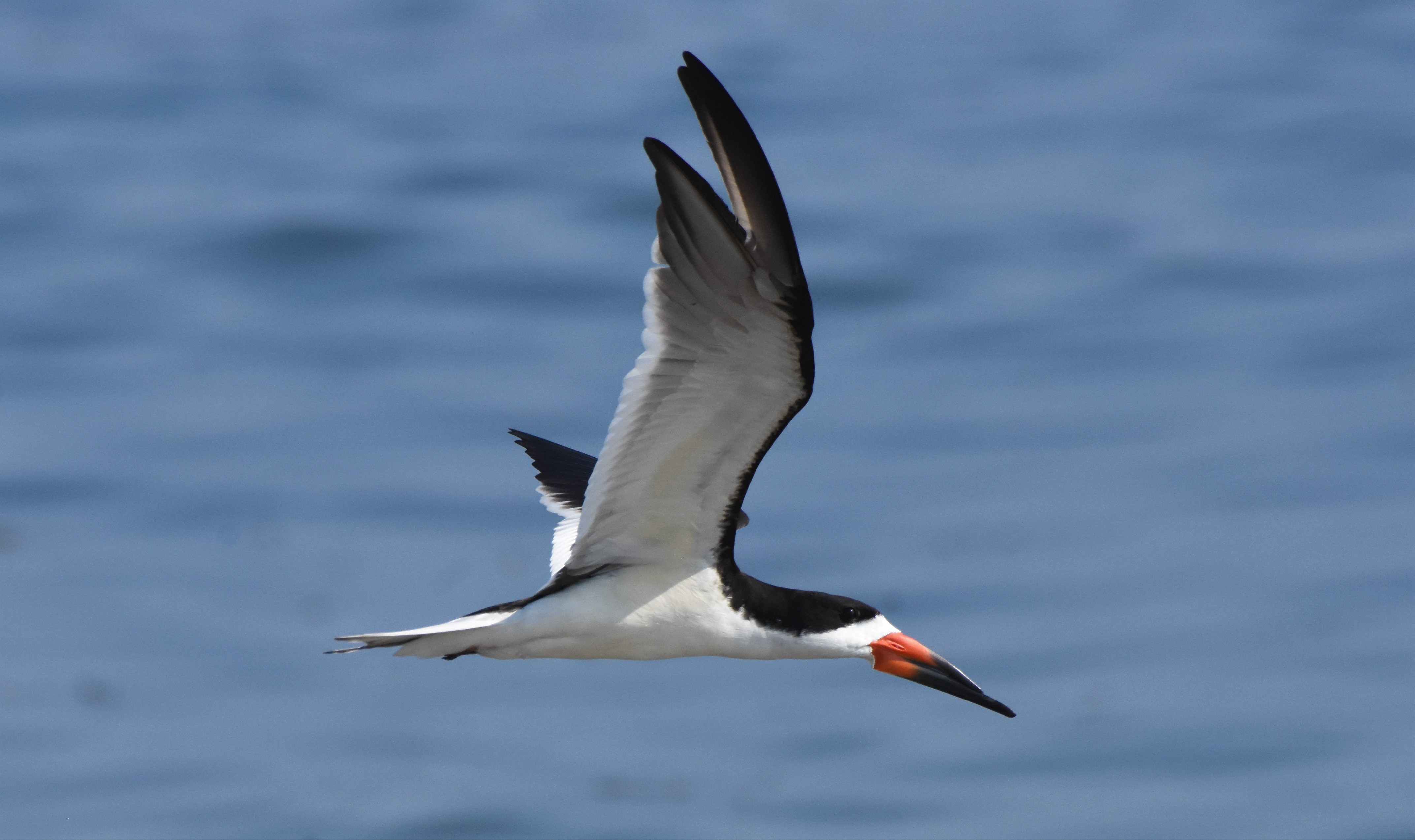

What a thrill!  Our return trek took us to Santa Barbara.  And it was the last part of our fun California adventures in Ventura. 


Turnstone numbers were great and wonderful views of these 2 species were fantastic!


During our treks to various beach spots, we noticed more Black Turnstones than Ruddy Turnstones.  All the turnstones were mixed in together running around "rock piers" and the sandy beaches not caring that people, pets and kids were also sharing the beach. 


Our missions to the beaches, island and vineyards were a success. 


Any time I bird California, I break down the treks to certain areas.  San Diego and Imperial Beach are wonderful for lots of great birds while Orange County is great for the exotic parrots and a trek out to Catalina Island for the Spotted Doves.  LA is another trip with a trek to the LA Gardens and surrounding areas. Spotted Doves, in smaller numbers, can also be found there, but they are much more enjoyable to find on Catalina Island.  Plus you get a pelagic with that boat trek out of Dana Point, also a great spot to bird. Then there is the Ventura area that we just covered. And all along the coast, there are other great places with specialty birds during certain times of years like in Monterrey.  California is HUGE and it's always fun birding this state.  If you plan well, you won't find yourself on the road all the time and instead, you'll spend most of your time enjoying some quality birding.  


That's how I have dealt with California over the years.  Living in the Bay Area in the 90's, I discovered it was frustrating to try and do too much over a larger area because the traffic killed a lot of precious day outings.  So my attitude is to divide and conquer.  Take it all in over mini vacations over time.  That way you get to enjoy California for everything it offers. So like our trek out to the vineyard, one needs to let that wine breathe. California is wonderful when you slowly enjoy the moments.  Don't rush through it. 


We did try for an unexpected rarity in Santa Barbara, the Curlew Sandpiper.  We had a lot of great birds along the beach, but we often had a lot of distractions.  We didn't find the Sandpiper due to runners flushing the peeps but we did see so many wonderful ocean birds. Plus the beaches there were really really nice. 


The drive was fun as it usually is from Phoenix to Ventura.  It's like a racetrack and always seems to fly by quickly. We wanted to stay a little longer.  The cool ocean temps were so nice.  We're back in Tucson now but I see blue waves happening again very soon.  


The year 2020 has been an incredible year here in Arizona.  The devastations that have happened around us environmentally have driven birds into our state from other places.  That report will be coming.  I also hit another landmark for Arizona.  While it hasn't been the year of the lifer, it has been a solid year of birding in Arizona and specifically for Pima County.  Until next time.....

Saturday, June 2, 2018

Estero El Soldado


Originally I scheduled a trek out to San Pedro Island, but the water was too choppy and the trek was cancelled.  These things are to be expected during hurricane season. So I followed up on Plan B, the mangrove estuary of El Soldado between San Carlos and Guaymas. 


If a birder is looking to get away and enjoy the beach life for a bit, s/he should check out San Pedro Island, the El Soldado Tidelands(or Estero El Soldado), and along the rocky beaches of San Carlos. 


When the island trek was cancelled, I started going over this area with my friend Tami because there were several requirements for our group on this day.  A little bit of swimming, drinking, eating and hiking along the water's edge.  The Estero provided all of those things easily.  


There was a resort nearby that also had gardens.  And birds.  Lots and lots of birds.  There were ocean ones, and coastal ones and garden ones.  And MANGROVE ones!

Genus Callinectes
 It's not often I get to bird a mangrove living in the desert.  And it often shocks me to know that even in the harshest of climates, the miracle of a small mangrove can happen in the craziest of climates. For a moment, I was transported to the tropics.  In fact, San Carlos and Guaymas are truly the beginning ranges of neotropical birding.  It is here we find such wonderful birds like the "mangrove" Yellow Warbler, Mangrove Swallows and Great Kiskadees.  It is exciting. 


Ocean birds won't disappoint either!  While none of these birds were lifers, they were a thrill to see again.  

Royal Tern
One of my favorite groups of the birds, the gulls, were in good numbers.  Terns, Royal and Elegant, were also seen in good numbers along the coast. 


As I laid under these palms while the group went out for a swim, I watched the world pass by me.  I closed my eyes to the cool shade breeze and smiled.  We all agreed that this was a great way to kick start the summer.


Laying on my back, I aimed my camera up into the air and shot pics of birds flying just several feet above me. 


I loved this place so much that next time, we're staying down here in the resort along the estuary.  


A Magnificent Frigatebird hung right over my head in hover mode, defiant against the strong winds. I love these birds.  You could see fleets of these air pirates off in the distance over the rocky coastal crags.


And while this was an excellent birding spot, our group was humbled by an observation between the estuary and ocean.  An adult Brown Pelican defended a recently deceased fledgling/juvenile and tried protecting the body from intruders like beach walkers and vultures. Nature can be very cruel, even from within the artificial boundaries of "paradise".  We like to humanize things when we see such terrible moments in the animal world.  But to watch this adult defend this lifeless body made us a bit somber. 


The thing I love about birding now is that when I see something like this, I have a deeper understanding of the bird world.  Our human side says, "See! These creatures do have emotions!" My scientific side says its instinctual.  Maybe they're both right. There are so many "experts" out there and they all have their professional opinions.  For me, the important part was to gather notes on this observation and learn. 


I heard someone say that they were going to chase that Turkey Vulture away.  Then it was time to explain to that person that nature has to play out.  It's not the Turkey Vulture's fault that the fledgling died.  It has to eat as well.  They are Mother Nature's natural garbage disposals. They play a role as well.  Most of you know this but for those of you who don't, here goes. Why don't Vultures have feathers around their heads?  Well if they eat dead and rotting things, then having feathers would be a bad thing.  They'd pick up diseases and bugs, etc from the carcass.  So no feathers.  Nature is cool!


This summer is going to be an absolute thrill.  Two months of exotic trails on different islands will hopefully yield lots of new and interesting birds. My first trek begins in a few weeks to Trinidad and Tobago.  I need this vacation after this stressful Spring. Much like my Monterey, CA trek a few years ago, I'll be in a private cabin at the Asa Wright Nature Center for a week.  Then I've rented a wonderful apartment in Arima for other area visits.  I can't wait to get out of this heat!


For the Estero El Soldado checklist, click here.  Summer is just beginning and it's time to cross the 1000 bird mark. Can we achieve it this summer?  Stay tuned for more!