Our trek to Organ Pipe was interesting, but it was the work in Mexico that had me more interested. A lot of birders signed up for a gull workshop with AZFO's Lauren Harter and David Vander Pluym. And on the last day of the conference, a large caravan of birders crossed the border into Mexico.
Magnificent Frigatebird
We planned on staying the night in Rocky Point or Puerto Peñasco. Many of the birders wanted to go with the caravan together. No matter how many times I write this, there are still birders who are afraid to cross the border even though it's completely safe to travel to Rocky Point. Like everything else, people need to use common sense.
30+ birders scour the ocean with their scopes
We spent our morning with scopes and gulls. But we also had our own agenda. I wanted to do a count around Morúa or the Pinto Estuaries so we broke away from the group after lunch to do our own counts. I've been doing work around those areas for several years now and had never birded the area in October. We rented a place on the Morúa estuary and really had a nice hike full of excellent birds there.
AZ Fish and Wildlife's Troy Corman and Wrenegade team member Tim H scope the horizon for possible rare birds
It's hard to navigate areas with large groups of people. Many were there to spot the Yellow-footed Gull which is a bird of interest for many people. These gulls live around the Sea of Cortez in good numbers.
Yellow-footed Gull
We said our good-byes and then were off to our sector of Rocky Point to get some work done.
At Morúa Estuary, we do a major bird count
The first bunch of birds we crossed paths with were plovers. Snowy Plovers were everywhere. They are the cutest of the bunch.
Snowy Plover
Another common plover along the Pacific waters is the Black-bellied Plover. Most of the shorebirds are in their winter plumage right now so they all look rather gray together. Some can be downright tricky!
Black-bellied Plover
Another special bird that people come to see in Rocky Point is the Wilson's Plover. They have a big bill and are the sassiest of the bunch. In the pic below, the bird is throwing a little "tude" at an oncoming Snowy Plover.
Wilson's Plover is the sassiest of the bunch
Even though it is cooler and pleasant, the sun can be quite strong as it bleaches the landscape. In the pic below, we arrived at the mouth of the estuary where the bird life was at its highest. I discovered my first Black Skimmers for Mexico here.
The bright light of the dunes and the ocean create a bleaching of color affect
Another great bird to see was the Elegant Tern. They were the most common tern in this area next to the Forster's Tern. This species is listed as Near Threatened.
Elegant Tern
There were schools of fish everywhere. And where there were large numbers of fish, there were hundreds of birds diving into the waters. Heermann's Gulls closely followed Brown Pelicans and tried to steal the food from their bills.
A near threatened Herrmann's Gull sits on the back of this Brown Pelican
On Sunday morning, Gordon wanted to do his survey at Cholla Bay. So he showed a couple birders how he likes to do his count. As always, we had a great time and finished our counts with a nice list of bird species there. The key is to go at low tide if you're a photographer. At high tide, Cholla Bay is great with a scope.
Short-billed Dowitchers
Short-billed Dowitchers had to be carefully ID'd by listening to their flight call. As they flew, we were quickly able to ID them as Short-billed and not Long-billed.
Birding Cholla Bay at low tide is great for photographers wanting to get up close to the birds
As the bay drains of water, shorebirds, like the Red Knot below, go crazy on the crabs.
A dull winter plumaged Red Knot forages for food
I've seen Red Knots in a lot of places but they are often too far to get clear views. One of my goals for this visit was to observe this species better. And it was great!
Western Willet
Our special find, and definitely off my radar, was this gorgeous Fox Sparrow, the Sooty-colored subspecies. At the Morúa and Pinto Estuaries, there are specific green spaces or migrant traps that have green lawns and mesquite bosques. I looked over at the trash bin and saw a bird scratching on the ground. At first I thought it was a towhee until we put our bins on it! HOLY COW! We ended up with a Fox Sparrow on our Mexican life list. I also added a Dark-eyed Junco which was yet another bird I had not expected for Mexico. Anyhow, the migrant traps around the hotels are great near the estuaries!! I've had so many surprise warblers and sparrows show up in these green spaces.
It has been an amazing January so far. And the month isn't even over yet! If it's one thing I learned about last year's BIG JANUARY, it's not about how many birds you find as it is more about locating the rare birds first. And then finding the easier ones along the way. With that strategy in mind, I've really been able to rake in the birds this month. So here are some of my birder tips for the Big January Challenge.......
Eared Grebe
Study where each of the birds hang out. It took me a year(and I'm still learning about new locations!) to figure out where everything is!
Female Costa's Hummingbird
Take a trip somewhere fun on January 1st to jump start your Big January. It doesn't have to be far, but preferably a place with a different habitat full of different birds that you won't find in your own area. We chose the ocean and found lots of great water birds that of course, are rare to our desert.
Marbled Godwit
Familiarize yourself with human behaviors. People can be difficult to work around....especially the ones with dogs.......and truly the ones that refuse to keep their pets on a leash!!! Once people enter the picture on the trails or beaches, the birds disappear. So understanding human routine is very important. Plus birds are the most active during those early hours of sunrise. If you are chasing a rare to find bird, head directly to the area where it is seen and DO NOT STOP to count the other birds. That can come later. More than likely the bird will be gone if you make too many stops.
Fox Sparrow
As a global community, we have forgotten about working together. Many things are done online or with computers which of course takes the human equation out of the picture. I have found in my own profession that much of the work is now mandated without discussion. Collaboration is just a word. But in the real world it is still very much alive. Teaming up with other birders has allowed us to find greater amounts of birds and share in that celebration. And it is a celebration. The greatest gift for a birder is a life bird. Plus we're really easy to shop for....anything with a bird on it:)
Recently, I teamed up with Gordon's Birding Adventures, Kathie Brown from Kathie's Birds and Melody Kehl(a bird guide who knows her stuff!) and Audubon. And there are more dates with other birders coming up. We can accomplish the impossible with an extra set of eyes or ears. Together we all enjoy the benefits and beauty of this passion we call birding.
Allen's Hummingbird
I will follow up with totals and other incredible birds on part 2 of this "Bigger" January in a few weeks. But for now I'll leave with some special moments while on the trails.
Whimbrel
Willets
Townsend's Warbler
Mexican Spotted Owl
Rosy-faced Lovebird
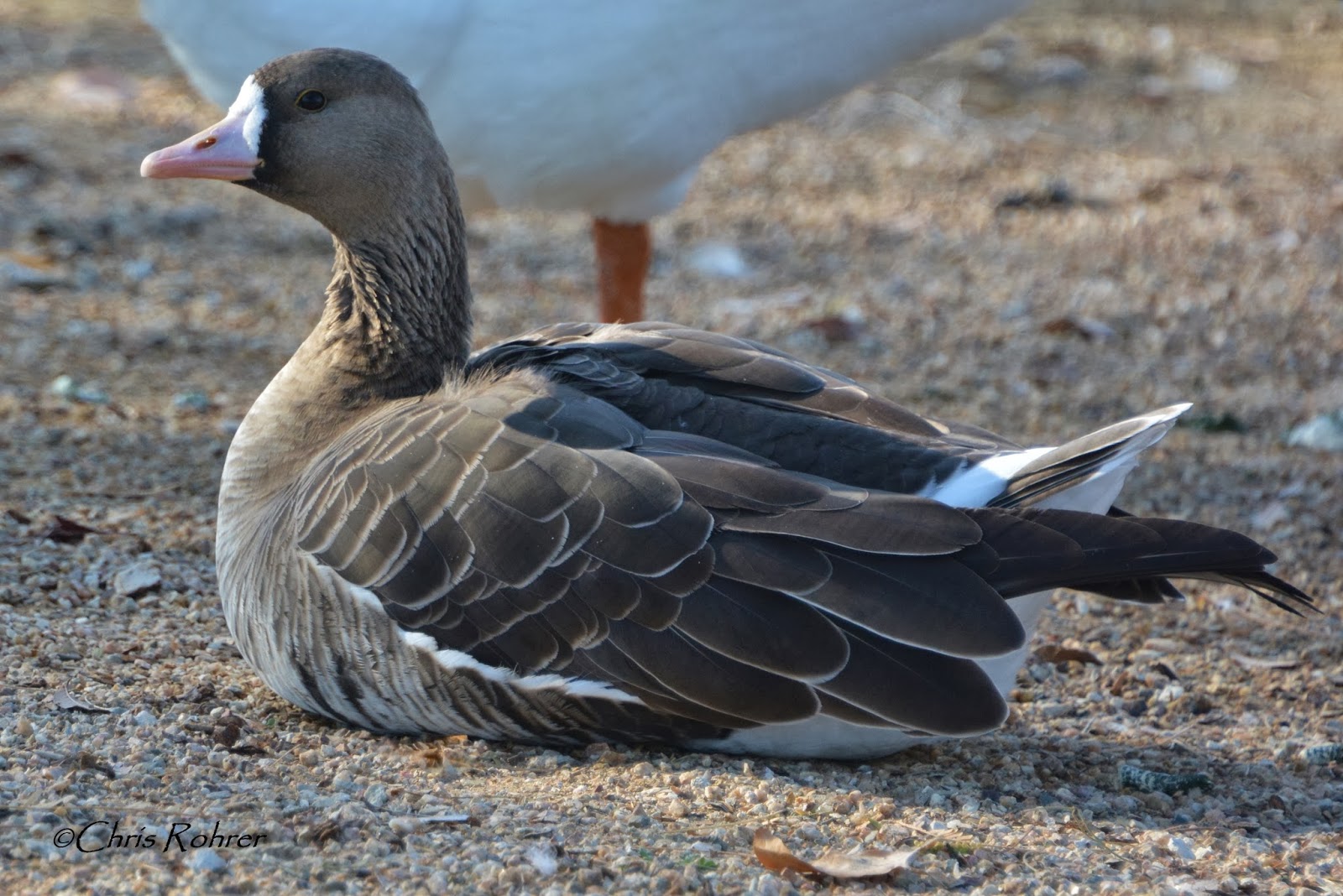
Greater White-fronted Goose
Harris's Sparrow(juvenile)
Western Screech-Owl
Rufous-capped Warbler
Elegant Trogon
And that's why this January has been a much bigger January:) Stay tuned for more......


 Posts
Posts