Showing posts with label Eared Quetzal. Show all posts

Sunday, December 27, 2020

Las Aventuras: The 2020 Arizona Birding Highlights


This year changed the way most of us birded.  Goals were changed.  Plans were made, remade and cancelled.  Only the safest plans were the ones that could be made closer to home. 


The silver linings of 2020?  Watching birds from home became a thing.  Lots of new people joined the birding club and became addicted to this beautiful adventure. And I decided to focus my energy on new birds for Pima County, and in some cases, for the southeastern part of Arizona. I saved a lot of money and ended working on my photography and home. Here are some of the highlights.  

Life birds were few and far between.  I added 4 life birds to my world list.  And in reality, it was only 3 because I saw one back in the 90's before I was a birder.  However, as an official birder, I felt it necessary to revisit the Yellow-billed Magpie to make it really count. So in total, it was a technical 4 additions to the 2020 list.  

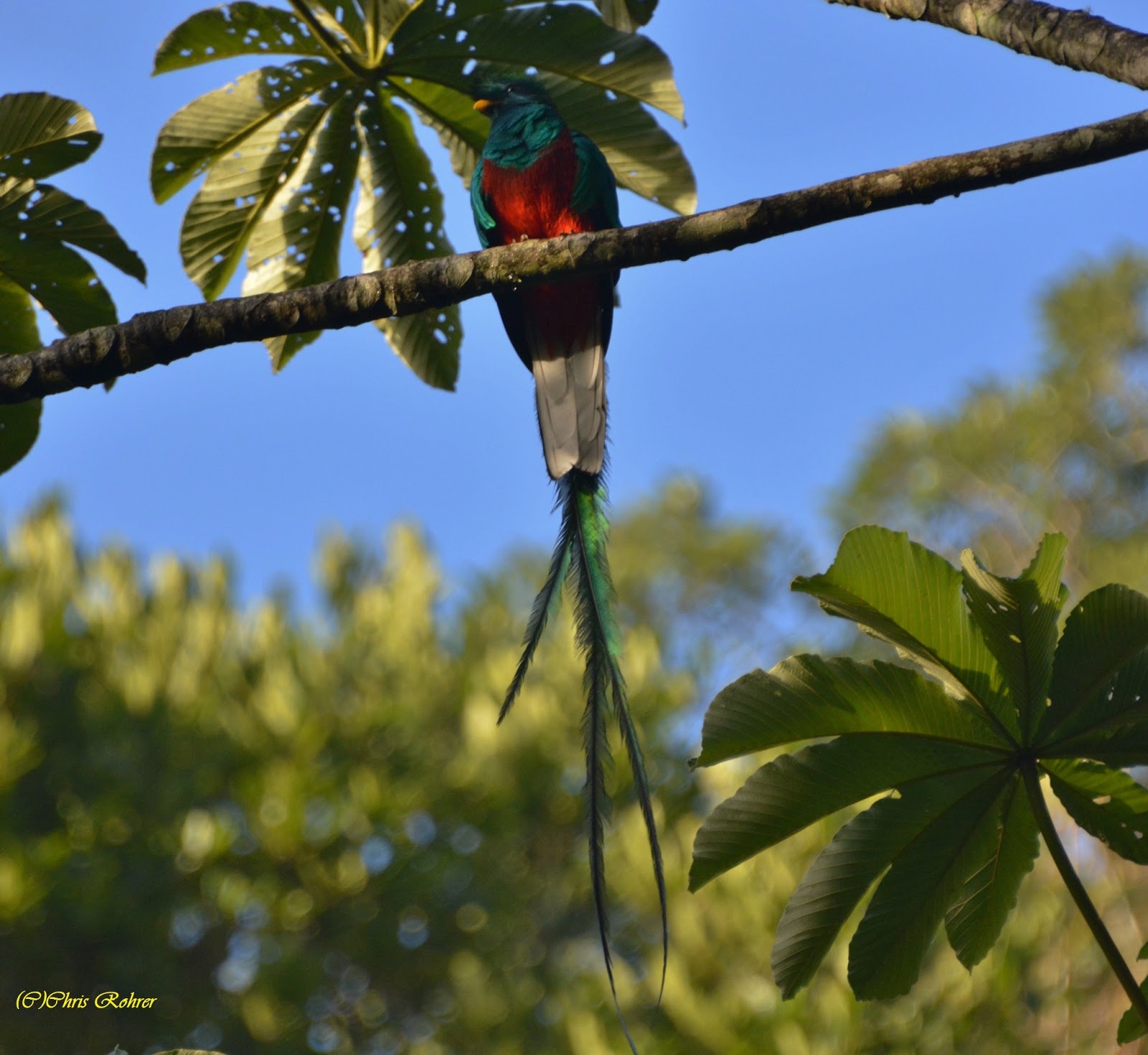
The crowning achievement is the Eared Quetzal, the true gift of 2020.  The rarest of rare gems in the bird world.  Perhaps as many as 3 were observed in the Chiricahua Mountains of Southeastern Arizona. It was THE bird of Arizona that I had been hoping to see for years.  After observing that top 20 "must see bird" on my world list, I felt like the 2020 year was complete.  If it was the last new species I ever observed, I would be okay.  This is a very special localized Mexican bird to see in the wild. It's even more amazing when we get to observe it in Arizona. It's normally quite secretive and difficult to find in the state.  

The next bird was from a trek out to San Diego and Imperial Beach for some coastal birding. It was here we witnessed the Gull-billed Tern fly over the saltmarshes at the Tijuana Slough Wildlife Refuge.  

We wandered upon a lot of terns on Imperial Beach and had fun ID'ing them.  Then from seemingly out of nowhere, this tern broke away from the massive group of terns. The behavior was different and it wasn't hunting over the estuary like the other terns. I was thrilled to finally see this tern in the wild.  I also remember that our trek there was a great break from the relentless heat of our Arizona summer. 

On that same trek, we had a Yellow-headed Parrot fly over our head at a local Mexican restaurant at Imperial Beach.  It is a countable species on ebird even though it's an introduced exotic. I don't play the ABA game so I don't worry if it's "countable" or not. It's endangered in its native range of Southern Mexico, Belize and Honduras due to poaching.  However, states like Florida, California and Texas have created an urban oasis for many non-native parrot species.  In Arizona, the Rosy-faced Lovebird now numbers in the tens of thousands around the Phoenix metro area.  Would I like to see this Yellow-headed Parrot in its native range?  Absolutely.  But for now, I spied one in Southern California where a few populations now breed. The two things I nerd out about in birding?  Exotic parrots in urban spaces.  Their intelligence to adapt is very....human.  And of course, I am addicted to all things sparrow. 

The final technical addition as mentioned before came from the Yellow-billed Magpie near the Ventura area.  Technically I could count the bird as I remembered seeing it often in the Bay Area while I lived on the East and South Bay.  In fact, one morning I woke up and saw one in my San Jose backyard!  I loved birds before I was a birder.  I always wished I had had a better camera but due to poor wages as a teacher, I could never afford one.  Years later I remedied that situation. And we did it proper. The winery visit made the day complete. 

So FOUR lifers in a year!  What did I do in between? I worked on rooms to recreate visions of lodges I've stayed at over the years creating a gorgeous coastal room.  It's not complete because now I'm getting that master bathroom redone to match the coastal theme.  The international and forest rooms are currently getting a makeover.  One thing lead to another and now I've created a monster. 

By the way, these rooms are still not complete.  There are still some final touches that need to happen:)


The garden also became a "thing" attracting so many wonderful new species this year. I live in a very urban part of Tucson.  However, we've created a microhabitat that has attracted some wonderful birds!  Thanks to covid, I've been home for much of the year working.  After 13 years living here, we now have seen a total of 70 species of bird come through our yard.  Each year with the addition of new native plants and running water, we attract something special.  A total of 9 new species of bird were added to our yard in 2020 with the Hutton's Vireo being the last bird seen and heard in our oak trees. 


Our arborist friend, Angelo owner of Romeo Tree Service, came out and took out an invasive and dangerous euc from the property.  It will be replaced with a native hackberry tree.....to attract Cedar Waxwings and thrushes like.....the Rufous-backed Robin:)  I can dream.  


In Pima County, perhaps the greatest year of birding since I began birding years ago, we had one incredible bird after another.  In fact, this was THE county in the US to bird during the 2020 year.  A WHOPPING 15 new species were added to my Pima list.  The year began slow but as we hit migration, I went after some birds I never really chased in the county like Sagebrush Sparrow, Gray Vireo, Common Nighthawk, and Black Tern. They're much easier to see elsewhere in Arizona, but since I was doing a Pima year focus and wanted to stay close to home, it was about finding new birds for Pima County. Then the rarity firsts began in great numbers.  Thankfully it happened as a "rarity a week" kinda thing.  

The eastern warbler show was incredible with such observations of a Pine, Black-throated Blue, CANADA and BLACKBURNIAN Warbler.  Red-eyed Vireo, Painted Bunting and Bell's Sparrow also showed up!  WOW!  Then there were Pima firsts like the Northern Jacana(still here), Clay-colored Thrush, and Artic Tern.  Yeah.  Pima County was one fire,  literally and figuratively.  And maybe that's why we've seen so many strange migrants/vagrants passing through our county. 


For every good bird we saw, we also felt the heavy sadness for why that bird may have shown up in Pima County.  The fires in and around our state were not good.  We broke heat records this year.  We have a terrible drought. And there was human destruction of critical habitat like riparian areas affected by the damaging wall construction.  Just one of the many reasons why our American embarrassment of a "leader" lost our state.  Recently on a CBC(Christmas Bird Count) survey along the border, we witnessed complete destruction of what was once pristine habitat.  I don't hold much hope for humanity.  The Quitobaquito Springs that I have presented in this blog twice no longer exists thanks to the construction.  Several endemic species to that ONE specific pond no longer exist there because the pond is gone.  Gone is the Quitobaquito Pupfish.  It's now extinct in the wild. Their populations are held in 3 safe zones/aquariums for protection. 

Changing subjects.  My final 2020 tally for state birds included 13 new birds for the year.  I always wonder what dream birds will show up every year and be added to that Arizona lifer list.  It was an incredible year in amazing habitat and road treks. Here they all are from back in January until now......


In January, I decided to chase an Ovenbird.  They are rare vagrants but can be expected each year during our winter months along water areas.  I hadn't really chased this bird but I thought I'd kickstart the year with a sunset walk along the DeAnza trail.  This pic is from Maine.  My AZ photo documentation is dark.  I heard the bird scratching in the leaf litter and had nice observations all alone on that cool evening.


Then there was a long drought.  No new birds from January to May.  But when May hit, it would be the start of an amazing spring migration.  At least 2 pairs of Crescent-chested Warblers came to a lovely little canyon in the Chiricahua Mountains.  I've seen these birds often in the rain forests of Mexico and Central America....in the rain.  I had a hard time believing that they could also range into our drier montane forests here in AZ:)  But they did.  We had a lunch under a beautiful tree watching all the incredible warblers fly around us. 


So I bit the bullet.  I had had it.  Grouse are my nemesis birds.  I can hear everything.  But what if the birds are silent? Then I become powerless.  It's my kryptonite. The above pic was taken in Oregon.  The only grouse we have in Arizona is the Dusky Grouse in the northern regions of the state. It had been a nemesis bird for years.  It would be embarrassing to tell people how many times I went to look for it.  Then on a whim, I broke down.  My friends and I headed up north when the Dusky Grouse began to mate on a known lek.  And down that magic hill, I witnessed this big brown chicken skulking around the woods on the big hillside next to Arizona's worst outhouse on Green's Peak. I'd use the woods and take my chances with the Gray Wolves before I'd use that bathroom. One day I hope for better pics. For now, I can count it:)

A first ever Clay-colored Thrush showed up in the beautiful Arivaca-Cienegas area where it sang a beautiful lullaby in the evening skies.  There we listened and watched this rare Mexican bird sing from Cottonwood Tree as the sun set. 

May continued.  Covid began to really take off in the state of Arizona.  But the first ever Pima and super rare for Arizona bird, the Arctic Tern, showed up not stopping any birder alive from witnessing history in the making. 


May continued. Another rarish Glossy Ibis was reported.  I bit the bullet and went with my friend Celeste to work on ID field marks between the similar and common White-faced Ibis.  And now the species is officially added to my AZ list.  I feel better knowing the minute differences between the two species. I was just too lazy to look for that one Glossy in the hundred White-faced Ibis.  However, on the day we went, there weren't many White-faced Ibis and the Glossy was much easier to separate from the rest. 

Several weeks passed and a reliable report of an Eared Quetzal came out in the rare bird alert.  I regretted not going right away to see this bird, but the huge Bighorn Fire on Mt. Lemmon threatened a friend's home and interrupted plans.  I couldn't believe how upset I was for not going.  Then a friend reported the bird again and I went without hesitation.  The rest is history. 

From June to September, the AZ lifer list slowed to a halt.  That was until a Northern Jacana was reported.  It was a bird I knew would show up at some point. I had one two years ago in Mexico at the border.  This year 2 birds, a juvenile and adult, were both seen.  The adult still continues along the sewage stream near the overpass of a popular road making the bird very easy to observe. 

Then a Christmas miracle happened.  A RUFF!  A European bird showed up at a nasty sewage area full of shorebirds.  What a treat that was!  There I got to work on my ID of this very cool bird.  I saw my first Ruff in Wales last year thanks to my friend Stephen Culley who pointed the bird out to me. 

After that adventure, 3 very special warblers all came to visit Pima county.  So rare and beautiful that it was an exciting treat to see them here around the Tucson area.  My friend and colleague Scott Olmstead reported the super rare Canada Warbler!  I was finally able to spend a really good amount of time observing this bird. 


Then my friend Sharon Goldwasser sent me a text wondering what type of warbler she had stumbled upon.  She knew it was different and suspected it to be a Pine Warbler, but in cases of fall warblers, it's always good to get a second and third opinion before reporting it to the listserv.  I got in my car and drove to her location.  Finally.  I can say I saw a Pine Warbler in AZ.  Thank you Sharon.  And to celebrate, I had a vanilla shake on the way home. 


Then like the cherry on top of a great sundae, a Blackburnian Warbler showed up!  HOLY COW!  Never in my life had I expected that to be an easy add to the state list.  They've always been up in the north and in difficult areas to search.  But nope.  This one came to a local park and flew above our heads happily feeding. 


My final state bird was the amazing Field Sparrow.  There were eleven state records of this bird in the state.  What a great way to end the year!  I love sparrows and it happened to be in one of my favorite locations, the Whitewater Draw.  

I didn't think it could get worse than 2019, but it did.  I'm just glad that birds helped many of us get through these difficult times.  2021 promises the end to many horrible things like the Trump presidency, ecological disaster(reversal of very damaging regulations made by Trump) and of course, covid.  Somehow birds go about their business and remind us that there is still a world out there to explore when all is said and done.  I love DIY projects but I'm ready to go search for a Harpy Eagle in the DariĆ©n Gap.  Happy New Year to everyone!  We'll get there.  Until next time...... 

Pima List- 372 + 15=387 Species

Arizona List- 460 + 13=473 species

World List- 1093

Total Birds Seen This Year-392(normal average is between 500-600 a year)


Saturday, June 20, 2020

As Rare as a Unicorn

The incredible beauty of Portal, AZ.  A must visit place for all people to see, especially for birders
On the day the Eared Quetzal showed up in Southern Arizona, it would also be the day I was in a no WiFi zone in Box Canyon with Celeste. There we casually observed a beautiful group of White-throated Swifts feeding babies.  Meanwhile the birding world was literally and figuratively on fire elsewhere. Our Catalina mountain near Tucson is STILL on fire.  The other fire was the one that spread just as fast, only by word of mouth.


White-throated Swift
In the background, we had Scott's Orioles and Five-striped Sparrows singing. A Lucifer Hummingbird buzzed us with a loud speeding motorcycle VROOOM!  Sure, they are all exceptional birds but so were the swifts.  Since when do we ever get chances to see this species in action?  There, in the high rocks on the cliff in that little crack, the little ones called out to the group with their hungry call, "Feed us!"  And the group of swifts would all go and feed the babies. 


As we left our beautiful trek from Box Canyon and the grasslands, we hit a wifi spot and saw that a very rare Eared Quetzal was seen in the Chiricahua Mountains.  I have waited so long to see that bird.  It would be a lifer and one from my bucket list.  But by the time we got back from our birding, we were both too tired to make the nearly 3 hour drive to a remote part of the state.  It would have been dark by the time we got there.  


We planned to go if the bird had been seen again.  We were set for a Thursday trek to Portal.  After the day it was reported, the bird was nowhere to be found for several days.  "I should have gone!  I should have gone!"  The group who saw the bird had really nice views. Usually this bird is a heard only species in the dense forest.  Sometimes, it's seen but briefly!  But on that first night reported, the bird was so cooperative for that evening crew of birders that they even got pictures!  I was angry with myself.  I remember a friend's words to me about rare birds. "You can rest when you're dead." I was so angry with myself for NOT TRYING!  Even if I had dipped, I would have felt better because I had made the attempt.  Now it was too late. I'd probably have to wait another 10-20 years or go to Mexico. The latter was the original plan.


Western Wood-Pewee building a nest
The next day we were supposed to go but there weren't any sightings.  We made the tough decision to stay.  I suggested we hike the Carrie Nation Trail to find bear and our own Eared Quetzal!  It was the right decision but a grueling hike!  The bird song was so beautiful. Hermit Thrushes sang and their electronic melodies echoed throughout the canyon. 


Arizona Sister
The bird show was incredible as were the lizards and butterflies.  A hiker was so excited about the bears that he even filmed them and showed me his videos.  What a beautiful thing to see! 


Yarrow's Spiny Lizard
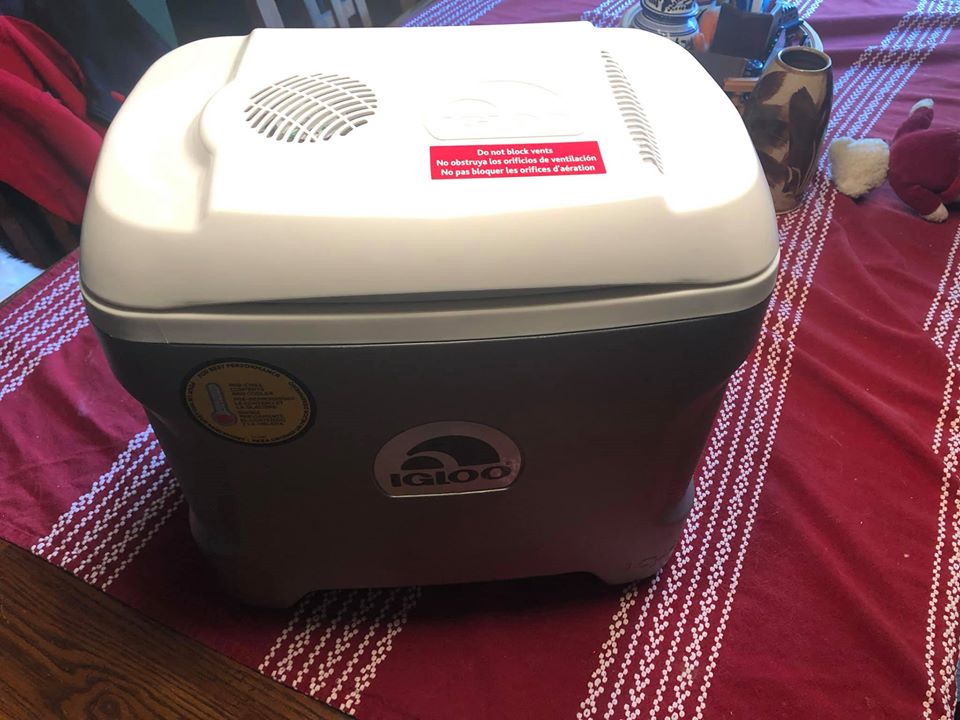
We were exhausted after that day.  Still no reports of an Eared Quetzal.  My iceless cooler arrived as I got home from our Carrie Nation Trail hike.  I was so excited.  You just plug it into the outlet in your vehicle and drive while it keeps all your meals and drinks cool!  No need to get covid or stop at restaurants.  People reminded me to make sure I unplugged it after I was driving so that I didn't kill my car battery.  


This cooler came at the right time because I was going to get to see my friend Gordon for a Saturday morning run up to Globe where we would bird. We hadn't been able to bird for several months and I was looking forward to seeing him. That night, I set all my equipment out, including my new iceless cooler!  I prepped my meals for the day and then all hell broke lose. 


This pic is not mine, from KOLD news
That evening our Santa Catalina mountain exploded with fire. I had some friends leave their home to take a fun weekend trip up to a cooler location.  When they left, there was no fire.  As the wind picked up, the flames spread quickly and raced down the mountain towards their home.  Their neighborhood was set to GO which means that they had to evacuate.  Our friend Lori got their dogs and watched the fire as it approached their home. The town of Catalina was almost up in flames.  This lasted until 3 in the morning as everyone worried about this fire.  Our friends drove back the next day and thankfully, the fire fighters were able to keep it away from their property!  But the fire still threatens surrounding communities.  Now it's on the other side by my friend Celeste's home!

Mexican Jay
I was supposed to leave the house by 4 AM so that I could meet Gordon by 6 in Globe.  Well, that wasn't going to happen so I texted him and let him know that my plans to meet him had changed. I went to sleep and didn't wake up until 10 AM.  I sat in the pajamas bummed yet again that I missed birding with my friend, watching the fire grow out of control on the Catalina mountains, and reading a few of the birder's posts who had seen the Eared Quetzal that one special night.  I should have gone.  I should have gone. 


All my stuff still sat on the table.  The backpack.  The cooler.  The camera and water flask were charged and full.  Then a birding friend, Steve V, posted on FB that the quetzal was seen again.  I grabbed my face mask and without thinking, loaded my vehicle, the USS Betty White, with all my stuff.  And I drove.

My first view of the Eared Quetzal!
I put on relaxing music to calm my inner anxiety.  But I felt better because I was acting and not feeling sorry for myself or making terrible excuses for not going.  


This bird, like its close relative, the Elegant Trogon, blends perfectly into the shadows of trees. 

Then the bird flew our way!  NO WAY!  
There were a lot of birders with smiling faces that afternoon.  Fast track to now and there have been hundreds of birders who remain hopeful.  Even as I write this, there are people from all over the US keeping an eye out for this rare Arizona gem.  For me, it was a lifer and Arizona bird.  But for the ABA listers, which covers North America(not Mexico but Hawaii?!), it's a significant bird.  Due to covid and airline flights, many are naturally choosing to drive.  I have met birders from almost every state here in AZ, THE capital of covid.  There is no greater sport than the one played by ABA listers.  I am not that person but I understand their competitive natures.  To say that this quetzal didn't light a fire in my brain for the irrational chase would be a lie.  


Its relative, the Resplendent Quetzal, did the same thing to me years ago in Guatemala where I interviewed locals to find a secure place to see this bird.  On a time constrained trip, there are only small windows, moments really, to observe these birds. Living in a place gives you more time to enjoy these birds. As a traveler with an agenda, if you miss it, it's over.  In Guatemala, the quetzal is their national bird.  It's also the name of their currency.  And it also happens to be a rare bird.  My friend followed my crazy butt to the area near Coban EARLY on that foggy morning.  Together, with a wonderful family, we saw so many of these birds flying around eating avocados. We also had avocados with our breakfast after observing these amazing birds.  It was one of those perfect days.  They were never seen again while we were there on that day. It was a 30 minute window and then....it was done.


We share an exciting moment with this little girl as she grabs video of these amazing birds. She stays with Lynda and helps point all the birds hiding in the trees from her.  We are amazed by the quetzal show near Coban
Like the Kirtland's Warbler or Lesser Prairie-Chicken, it took some research to see that particular subspecies of Resplendent Quetzal in Guatemala. It is said that at some point, the Resplendent Quetzal may be split into separate species. It took a lot of work to see them in Guatemala.  They were much easier to see in Costa Rica.  Anyhow, back to the Eared Quetzal.  


This is the print I ordered for my wall.  
Here's what I can tell you. The Eared Quetzal is a very secretive bird, even in its most active range. So to get views of the bird ANYTIME like this is a Christmas miracle.  And to get a view of this bird in the US is one extra bonus.  As many of you know, I travel to Mexico often.  It is my sacred place of sanity and spirituality.  So any chance I get to go to Mexico is a special time.  The Eared Quetzal and Thick-billed Parrot have been on my research list for quite some time. Drug cartels over recent years have made travel to that particular area difficult.  US news makes you fear Mexico more than you should so I listen to the people who live there.  And I read several local papers.  Yeah.  It really wasn't safe.  Now with covid, the borders are locked.  So one can understand why an Eared Quetzal in Arizona is a big deal. The last sustained view of an Eared Quetzal in Arizona was back in 1999.  There have been other "sightings" or "heard onlys" since then, but nothing like a viewable bird for many people to see out in the open.  In fact, ebird has had very little photo documentation on this species....until now:)


I hope others are able to find him safely.  After more than a week now, this bird still makes me smile.  This is what bucket list birds do; they inspire and capture the magic of birding. It's about exploration. It's about sharing an experience. And it's also about observing an incredible bird that you never thought possible. The Eared Quetzal is like a unicorn.  We see the bird in our guides, but never hope that we'll ever see something so amazing. Surely this bird does not exist. I promised myself that if I ever saw this bird, I'd make a photo and hang it up in my house.  I've ordered the picture and I'm drywalling, texturizing and painting the area where it will go.  If this is the last bird I ever see, I will be a happy person.  Until next time....